
Just caught him.
Just caught him.

Taking a moment.

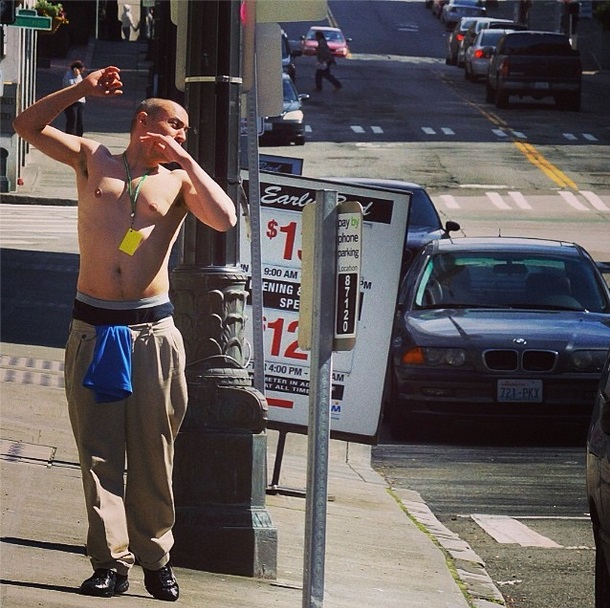
So this happened today.
He’s checking himself out in the car window.

Couple enjoying sun in Occidental Park.
Man’s relationship with the sun is primal—especially in Seattle. People will find chairs and places to sit or stand to enjoy its warmth. Every day/all day, chairs in cafes are turned according to the sun. Pedestrians follow sunny sidewalks and well lit public squares. They alternate between sun and shade. When there’s a farmer’s market out, vendors will try to keep the vegetables in the shade. Pedestrians will put on sunglasses—we are rumored to buy more here than anywhere else.
The sun helps sales. Sometimes customers come in to a shop to escape the sun, other times the shops lose customers to street vendors—who have more spatial flexibility. Interesting examples from Tapai and LA include roaming performance troupes that travel on a truck bed while disseminating sounds of their performance in the streets. Notice the loudspeaker that’s mounted on top of the mobile mini shrine.

Another interesting thing to consider is what people buy when it’s sunny compared to when it’s raining. A team of IBM analytics experts noticed that on rainy days customers were more likely to purchase cakes, while on sunny days the choice food was paninis. Small businesses can’t guess the success of their inventory by looking at the weather and sales reports separately, but together, they can uncover a new outcome. Now the bakery knows what to bake based on the weather forecast.
ACTIONS
Check out their meeting notes and find out.
Resources:

“His name is ‘Bear’. He likes long walks by the water, a good fleece, and a lap.”
I think he’s single.
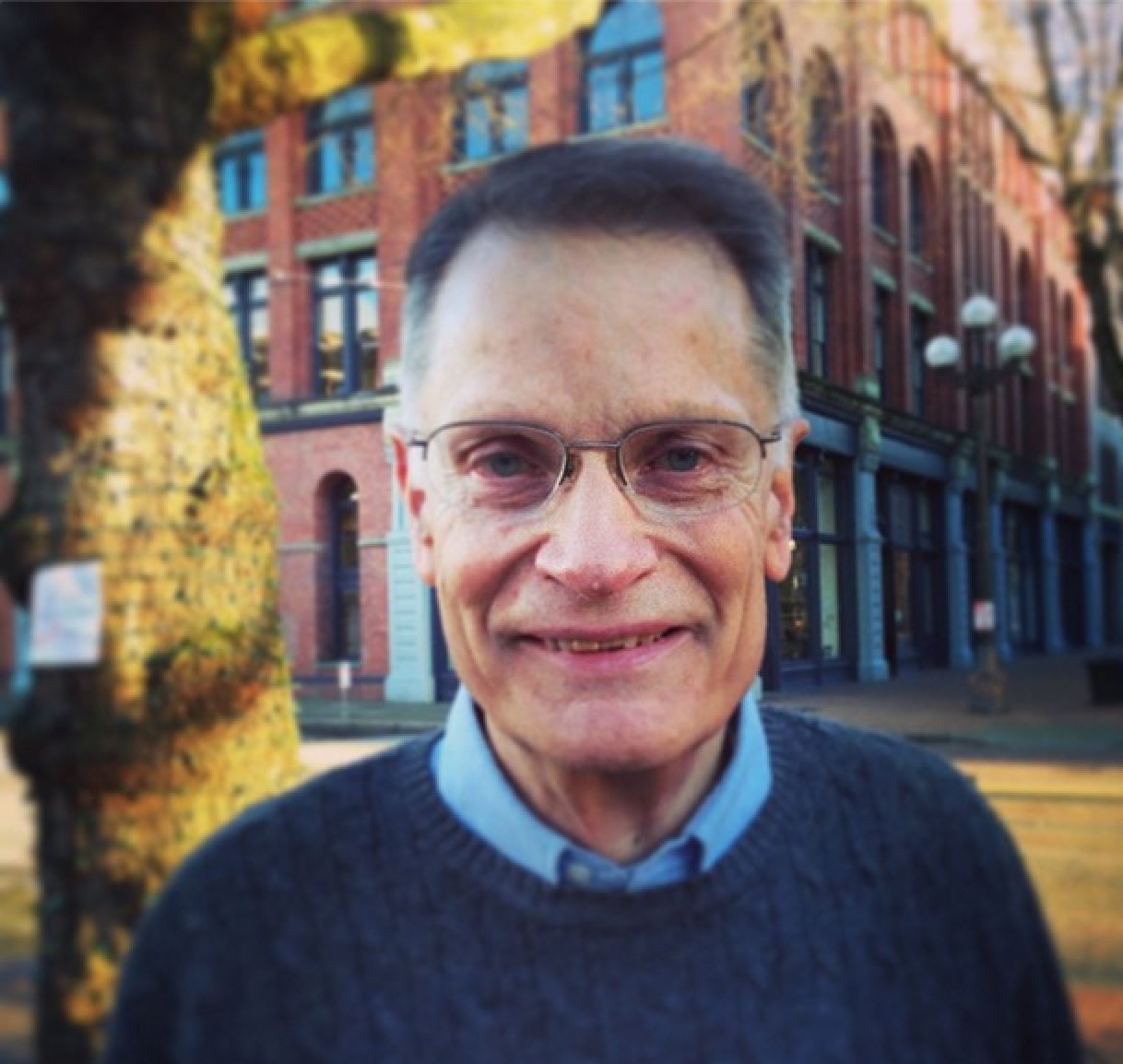
John Hale from Compassionate Seattle.
“We need to get people more involved.”
He made some great points about getting ‘right’
with uncomfortable feelings of downtown by getting out and exploring.
“If you’re uncomfortable walking through Occidental Park,
you need to confront those feelings…and get over it.”
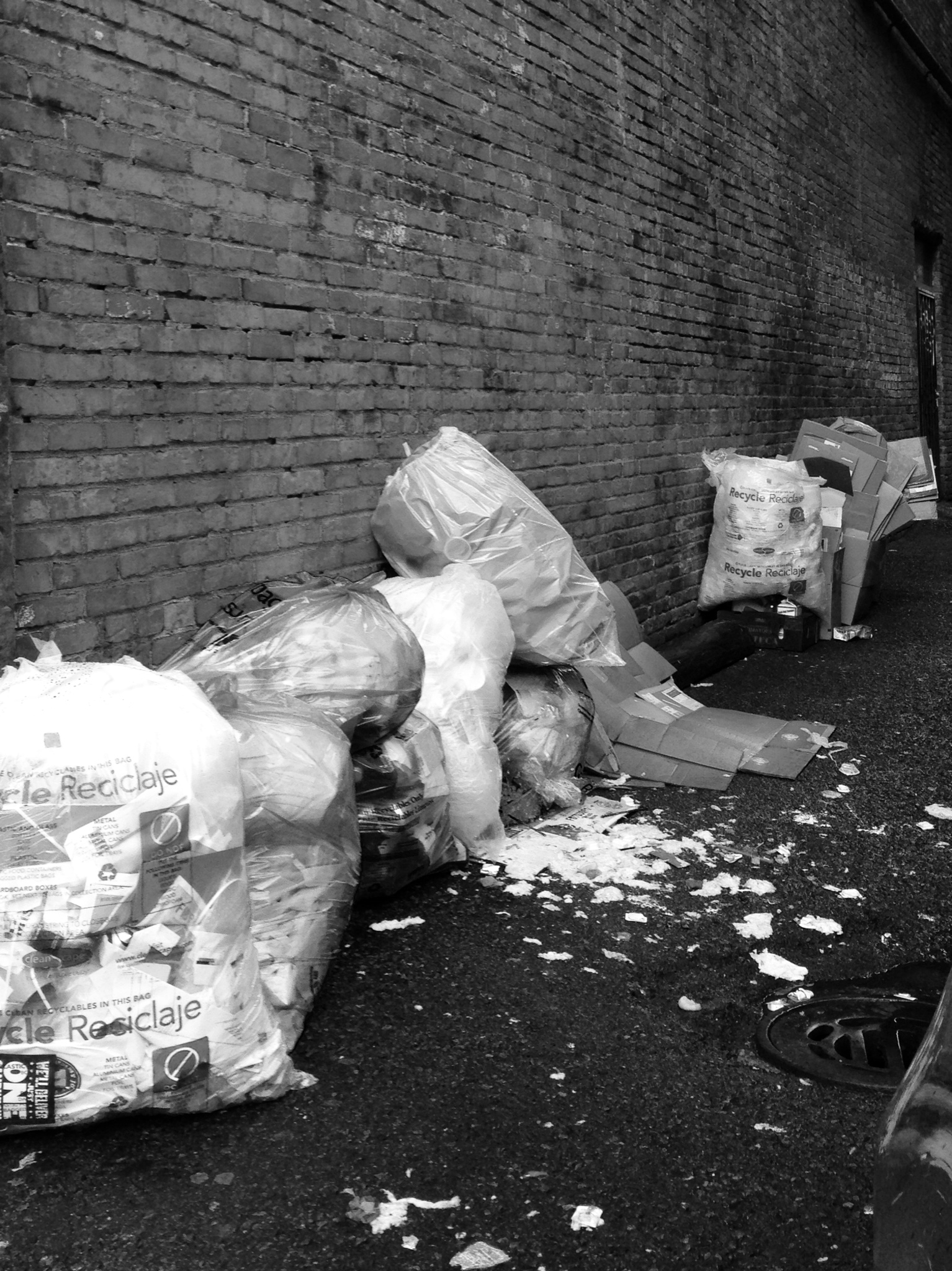
Back Alley, Washington & 1st Ave.
There are some logical reasons for trash lying on the streets. In an ideal world, all trash would be placed in an out of the way location where we didn’t have to see it. It stinks, it is unsightly, it is unhygienic, and it reminds us of our disproportional consumption. However, there are some advantages to having trash on the street. It is, in fact, an important prop on the theater of the street. The shop owner takes it out, often several bags of it, to the edge of the sidewalk or the back alleys. Over the course of the day homeless people rummage through it for bottles, cans, or other potential reusable items. By the next day the bags are taken by trash collection. The streetscape is activated an involved in the processes of the everyday. To many who live here, trash is an eyesore. To others, it is a transparent example of the functions of the people that live there.
What is it to you?
ACTIONS
If you’re passionate about zero waste, sign up to receive their meeting minutes, and provide them some suggestions.
RESOURCES:
Photocredit: doodlebugsteaching.blogspot.com
Neighborhoods speak. The citizens that live in them need to understand their language.
Considering the urban background not from the abstract perspective of an urban planner but from the viewpoint of an attentive observer, I’m going to try to learn more about my neighborhood from sayings, observations, and bite-size truths. I’ll try to do short essays as I learn how to read the neighborhood.
I’m curious about the topic of neighborhood literacy, from a pedestrian’s perspective. With these Urban Planning 101 posts, I want to learn what to notice if I want to understand the neighborhood. Over time, we can learn to detect patterns in the relationships between people and the neighborhood environment.


I love your dogs. I have friends with dogs and they always go
right for my tennis balls! I have to lift my cane up.
(If you see this woman, tell her something funny. She has a laugh like silver bells.)

“Little people of PSQ.”

“I work down here driving cabs.
I think the local government needs to take better care of their homeless.”
(And I liked his choice of words.)
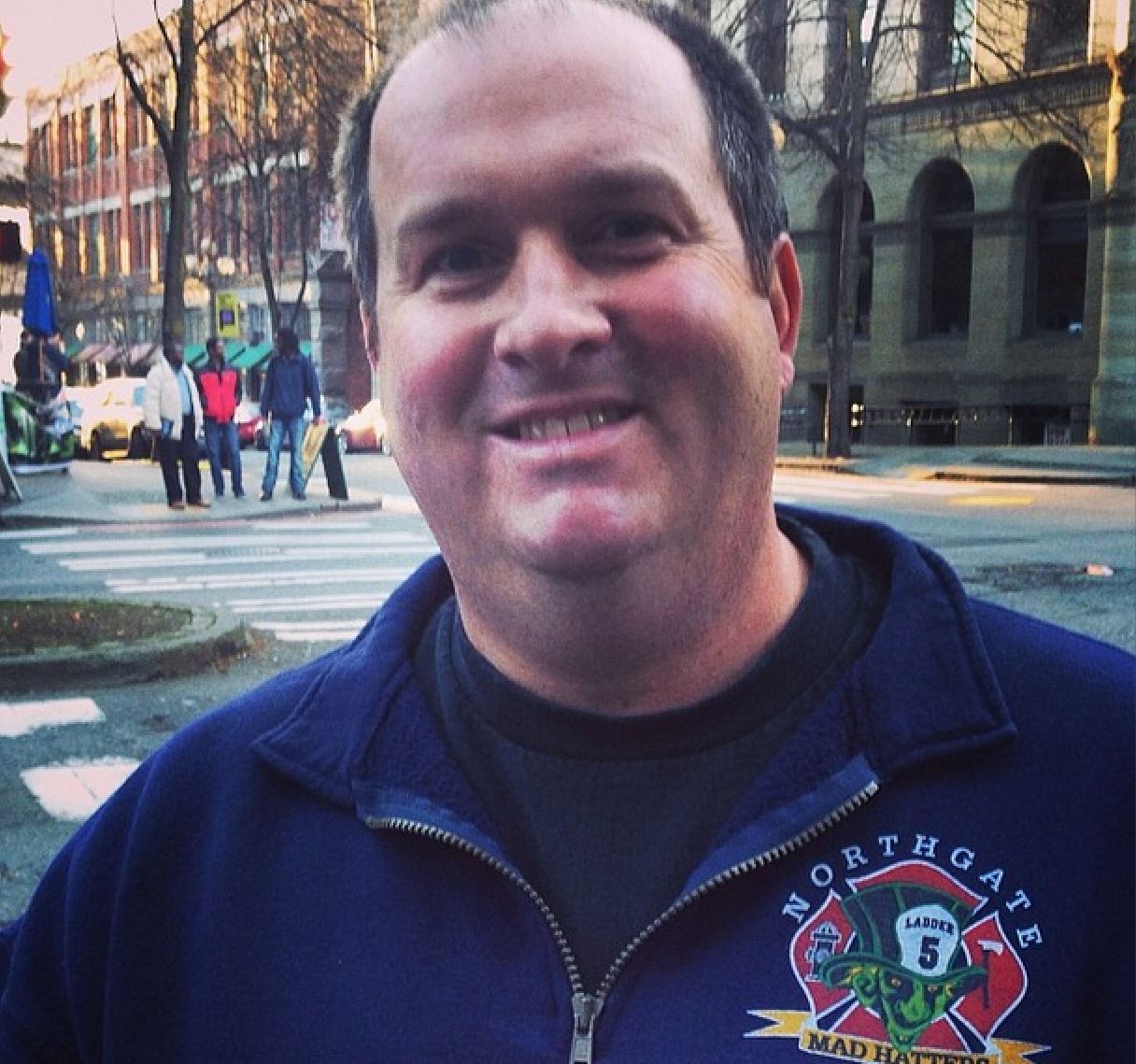
“I came out from Arlington to show support, we’re not all like that.
They’re working hard.”

“I missed the compassion circle?
That’s one of the city’s nicest parks, but it’s become a urine pit.
Such a shame.”
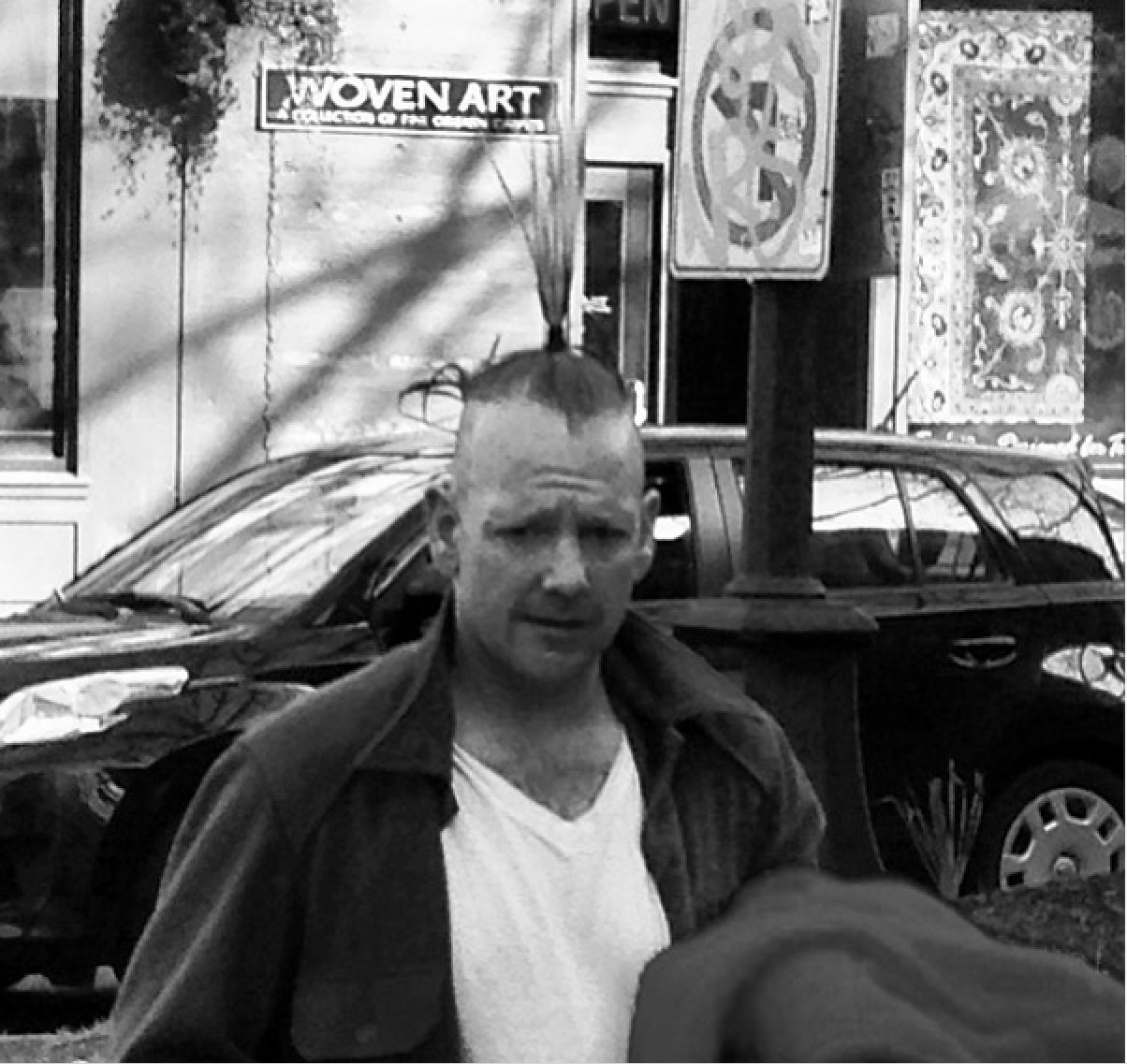
Everyone gets a bad hair day now and then.

Goodnight moon
Goodnight stars
Goodnight po-pos
Goodnight fiends
Goodnight hoppers
Goodnight hustlers
Goodnight scammers
Goodnight to everybody
Goodnight to one and all.
….from The Wire.
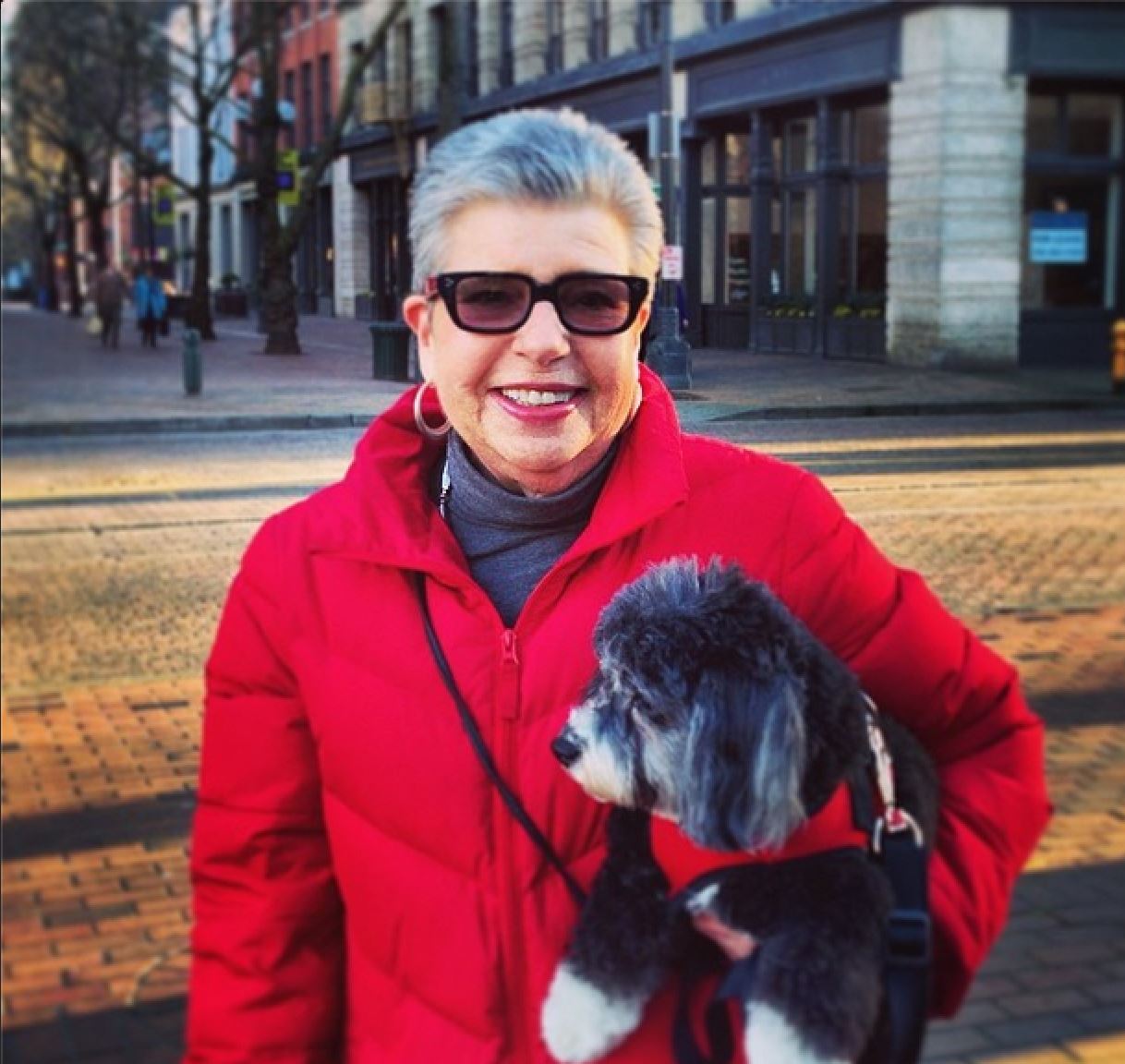
“I want to give Steve Banfield a hug for writing that letter to the Mayor.
You tell him for me. My name is Jane.
And I love following your blog.”

So, we had a little event today.
Folks from RealChange spoke, the Mayor spoke,
a homeless person spoke, a fireperson spoke.
Then everyone gathered hands and walked in a circle. (true story)
It was all very…Seattle-confusing.
The main message: depolicing of the area was not addressed.
I did speak with the Mayor following the event and he mentioned that Seattle does not currently collect data on where crimes are being committed which would help them more efficiently allocate resources around the city. He’s attending a half day offsite with some folks at Microsoft to remedy that. Will be interesting to hear an update of that on April 5.
UPDATE:
How can we not have data on crime in Seattle, with sites like this?
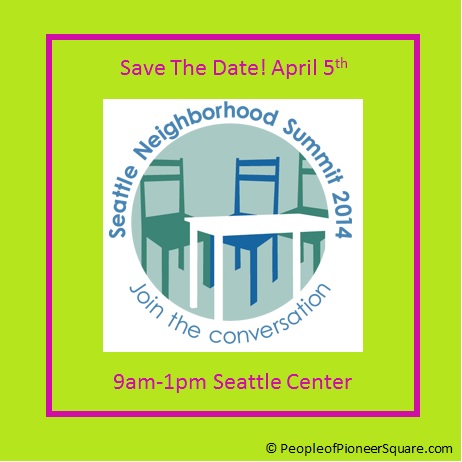
There’s a meeting April 5th to talk to the Mayor. ***You can sign up here.***
Fill out their online survey to let them know what you would like to get out of the Seattle Neighborhood Summit and what is important to your neighborhood. To learn more about the Seattle Neighborhood Summit, check back here regularly. You can also email SNS2014@seattle.gov or call Kathy Nyland at 206.684.8069.
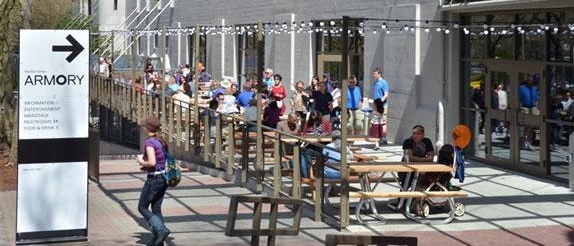
Seattle Center has been renovated:
Ask the Mayor: March 2014 3/25/2014


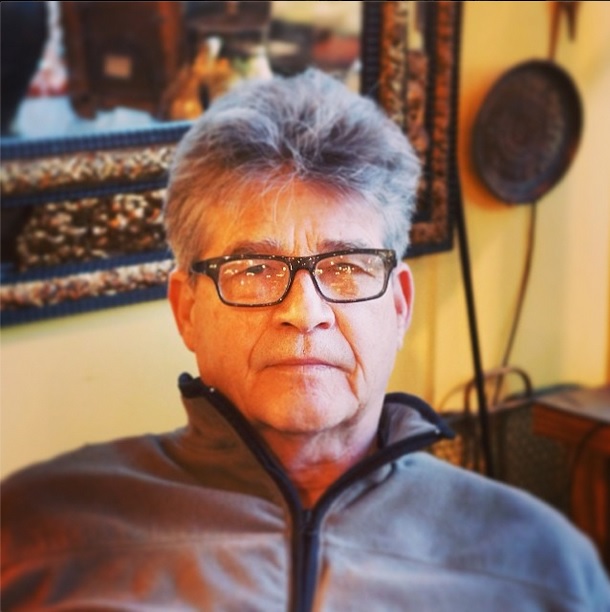
“The trolley is a cute idea, but we have tracks and no trolley.
Instead we have mayors who use the meter maids as their fundraiser
and punish people for coming downtown.
They don’t think about how businesses get by in the interim.
They need to connect the dream to reality.”

 People of Pioneer Square